
About Loom & Harvest
তাঁত ও ফসল
We explain how Bangladesh’s garment, jute and food trades really work, with a source and a date on every figure. We also find and check factories, coordinate samples and inspect bulk orders for small clothing brands, for fixed fees. This page explains the name, the method and the limits.
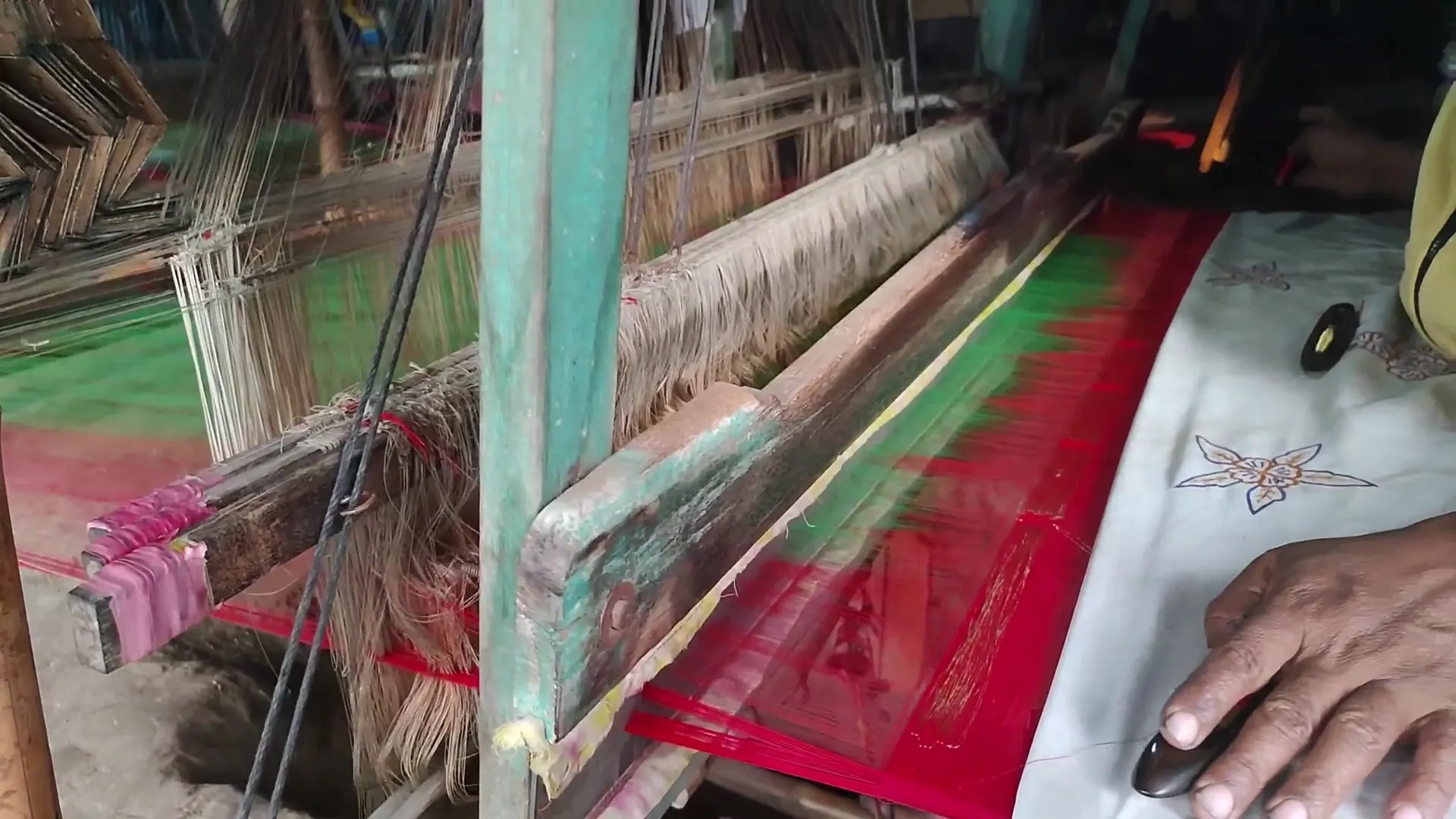
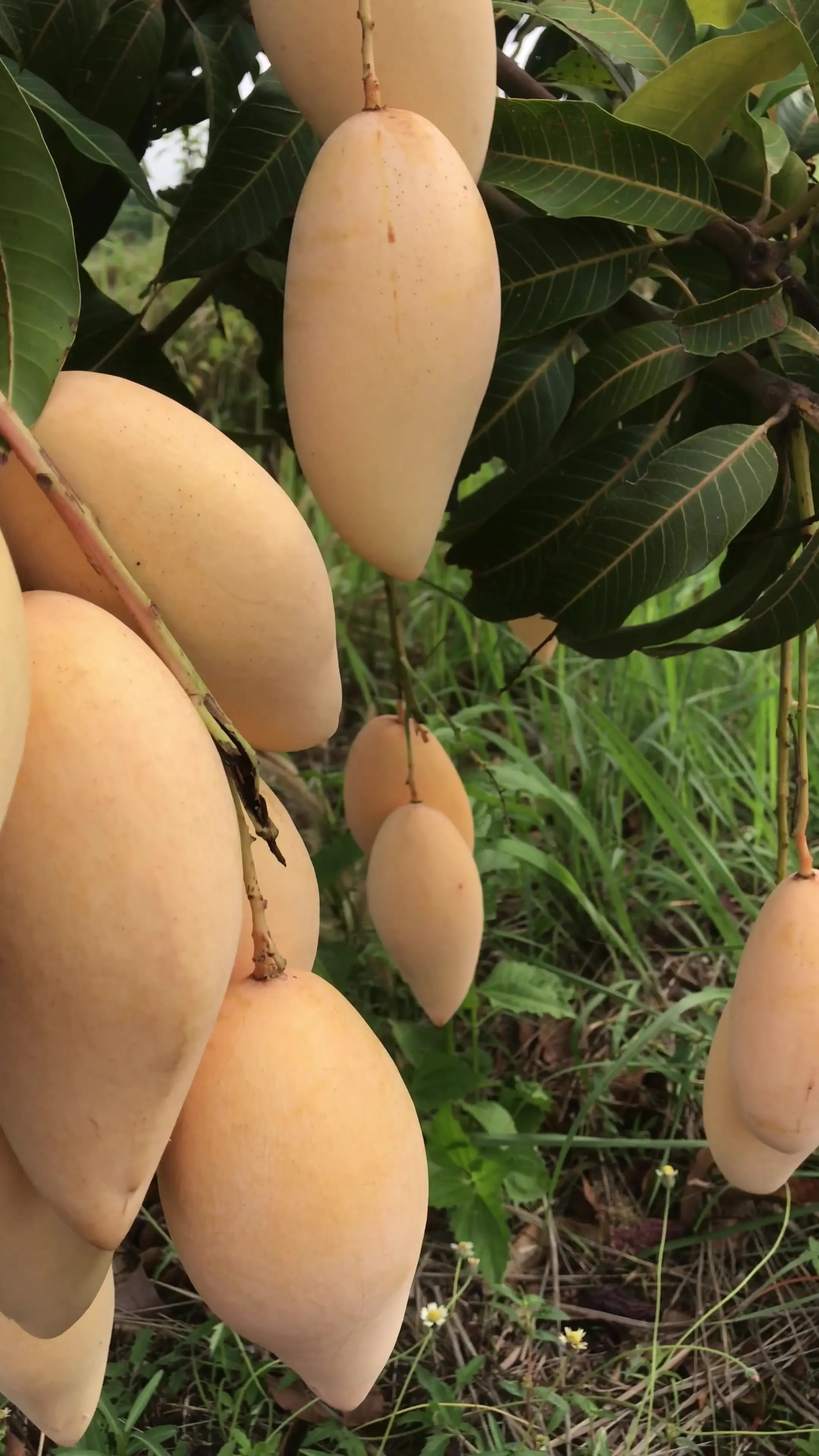
Why “Loom & Harvest”
Bangladesh sends the world two kinds of goods, and our name holds both.
Loom stands for garments, textiles and jute: what Bangladesh weaves, knits and sews. Harvest stands for fruit, vegetables, spices and food. In Bangla the name is তাঁত ও ফসল (taant o fosol), “loom and harvest”.
Today we source on the Loom side. Our main work is cotton knit basics, such as heavy T-shirts, hoodies, sweatshirts and polos, for small clothing brands. Custom jute and eco bags come second.
On the Harvest side, we explain how Bangladeshi food reaches the UK, the US and Canada, and why some of it is stopped at the border. For licensed importers, we check suppliers on the Bangladesh side. We do not import food ourselves.
What “honest sourcing” means here
Many sourcing websites are run by agents who rank themselves first. We try to work the other way round: teach first, sell second, and show the working. In practice, that means five habits.
- Every figure has a source and a date. You can click through and check it. Where sources disagree, we say so and round, as in our history of the garment industry. Prices that suppliers advertise in online directories are asking prices, not checked quotes, and we label them that way.
- Every advantage sits next to its trade-off. Low prices come with long lead times. Duty-free access comes with an end date. On this site the trade-off is sewn in red thread, so it is hard to miss.
- What is not settled is marked as pending. We say what we do not know yet, and when we last checked, instead of guessing.
- Corrections are welcome. If a figure is out of date or wrong, tell us and we will fix it and change the date on the page.
- How we earn money comes first. Fixed fees for checks, sourcing, samples and inspections, quoted before any work starts. Commission only on larger production orders, and only when agreed in writing first. No money from factories for sending them orders. Anything sponsored is labelled. The full method is on how we charge.
Where we work
We work in Bangladesh, and we speak Bangla with factory owners and managers. That lets us ask direct questions, such as who will really sew your order, and understand the answer without a go-between.
Our short videos go out on YouTube, Instagram, TikTok, Facebook and LinkedIn as @loomandharvest. Each one has a full guide on this site, with the sources behind it.
There are things we do not do. We do not import goods in our own name, hold stock, or give legal, tax or customs advice. The full list is under what we do not do.
Why Bangladesh is worth a look, and where its limits are
Bangladesh is one of the biggest clothing makers in the world. For buyers in the UK, the EU, Canada and Australia, it is also one of the cheapest places to import clothing from. Here is the case for it, with the catch beside each point.
| The case | The catch |
|---|---|
| Scale. Bangladesh exported $48.0 billion of goods from July 2025 to June 2026, about 80% of it clothing. (The Financial Express, EPB data, FY2025-26) | One trade. Clothing earns about four in every five export dollars, and garment exports fell 1.64% that year. (The Business Standard, FY2025-26) |
| Rank. It was the world’s second-largest clothing exporter in 2025, with 6.76% of world clothing exports. (The Business Standard, WTO data, 2025) | A close race. Vietnam was just behind at 6.53%, so the ranking could change. (The Business Standard, WTO data, 2025) |
| Price. The EU paid an average of $2.06 per cotton T-shirt from Bangladesh, which supplied 61% of the EU’s cotton T-shirt imports. (The Financial Express, 2025) | Volume. That price comes with big runs. One factory owner says most firms want at least 500 pieces from a start-up brand. (The Business Standard, 2021) |
| Duty. The UK, the EU, Canada and Australia charge 0% duty on most Bangladeshi clothing. (our duty guide, correct as of 14 October 2026) | An end date, and the US. EU (European Commission, correct as of 14 October 2026) and UK (British High Commission, via The Daily Star, correct as of 14 October 2026) access is confirmed to at least the end of 2029, and Canada’s is stated only as intent (Finance Canada, checked 11 Oct 2026). A cotton T-shirt pays about 26.5% in the US. (TariffsTool, since 24 Jul 2026) |
| Know-how. The industry grew from about 130 trainees in 1979 to more than 700 garment factories by 1985. (World Bank, Rhee and Belot, 1990 paper) | Time and energy. A 90-day delivery can stretch to 120–140 days (Apparel Resources, 2025). A gas shortage cut output by 70–90% in one textile cluster. (Dhaka Tribune, Jul–Aug 2026) |
Two more limits matter to small brands. Much of the fabric and yarn is imported from China and India (The Business Standard, checked Oct 2026), so the fabric mill often sets the real minimum order (Apparel Resources, checked Oct 2026). And about 70% of factory orders go through buying houses, one industry leader estimates (Apparel Resources, 2025), so the “factory” you find online may be a middleman. Our five checks before you pay a deposit show how to tell.
Not settled yet. Bangladesh is scheduled to leave the UN least-developed list on 24 November 2026. It has asked to delay this to 24 November 2029, and the UN General Assembly is due to decide before 24 November 2026. As of our last check on 11 October 2026, no decision had been published. (The Daily Star, checked 11 Oct 2026)
For the whole picture, start with Your T-shirt was probably made in Bangladesh. Here is why, then Why a T-shirt from Bangladesh costs about $2 at the factory and How roughly 130 trainees started Bangladesh's garment industry.
Who we write for
- Founders and buyers at small clothing brands in the UK, the EU, Canada and Australia, planning a first or second run of cotton basics.
- Shops, cafés, event organisers and companies looking for custom jute or eco bags.
- Food importers, especially in Canada and the UK, who need checks on the Bangladesh side.
- Anyone who saw one of our videos and wants the full story behind it.
We write in plain English for readers who use English as a second language. We keep sentences short, and we explain trade terms such as FOB, landed cost and MOQ (minimum order quantity) the first time they appear.
What you will not find here
You will not find client logos, testimonials, case studies or order counts on this site, and we do not name partner factories. We would rather show you our working: the sources, the arithmetic and the trade-offs. Judge us on that, and on whether our numbers hold up when you check them.