
Help on the ground in Bangladesh, at a fee you know first.
We check factories, look for ones that take small runs, manage samples and inspect the bulk order before you pay the balance. Each job is a fixed fee, quoted in writing before we start. No factory pays us for your order.
How we chargeWhat we do, step by step
Each service stands on its own, so use one or several. Each one is laid out the same way, like an order form, with its limits stated in red thread.
Factory check
Steps 1–2 · before any deposit
Find out whether a supplier is a real factory, makes your kind of product, and is not a broker posing as one.
Ask about a factory checkBackground: 5 checks before you pay a deposit and what a buying house is.
- When you need it
-
- You found a supplier online and are about to pay a deposit.
- The supplier says “factory”, but the emails, prices or bank details suggest a trading company.
- You already buy from a supplier and want an independent look before a larger order.
Middlemen are normal here: about 70% of factory orders in Bangladesh go through buying houses, one industry leader estimates (Apparel Resources, 2025). The problem is one that hides its role.
- What we do
-
We agree the steps with you before we quote. A check can include:
- Licence and membership. We check the trade licence, and confirm the BGMEA or BKMEA membership number with the association itself, using contact details from its own website.
- The Accord list. We search the International Accord’s public factory list and read any inspection reports from the RSC, the council that inspects factories for the Accord’s brands.
- A live walk-through. A live video call from the gate and the company sign, through cutting, onto the sewing floor while the lines are running.
- A visit. We go to the address where your order would be sewn and talk to the owner or managers in Bangla.
- Who you pay. We check that the bank account name matches the company on the invoice and the licence.
- Factory or agent. If the supplier is a buying house, we ask it to name the factory, then check that factory.
- What you receive
-
A written summary of each check and what we found, with photos.
- The limits
-
A check shows who you are dealing with, not whether your bulk order will be good. The Accord list leaves out factories that never supplied its signatory brands, so a missing entry is a question, not proof of fraud. A walk-through can be staged. We call a certificate genuine only once its issuer confirms it. A first order still needs an inspection.
Sourcing project
Steps 1–2 · shortlist and quotes
Look for factories that make your product and will consider a small run, and collect FOB quotes you can compare.
Ask about a sourcing projectBackground: the 7 steps of a first order, what a T-shirt costs at the factory, and the landed-cost calculator.
- When you need it
-
- You have a design or a tech pack, but no factory yet.
- Your run is small, often 300 to 1,500 pieces per style, and the factories you found want more.
- You have quotes, but they price different things and you cannot compare them.
- What we do
-
- Turn your brief into one request every factory prices the same way: product, fabric and weight, sizes, colours, quantity per style and target market.
- Look for factories that already make your product and will consider your quantity. We ask about the fabric mill’s minimum as well as the factory’s, because the mill often sets the real minimum (Apparel Resources, checked Oct 2026).
- Ask each one for an FOB price. FOB (Free On Board) is the factory price including loading onto the ship in Bangladesh. Freight, duty and delivery come on top.
- Run first checks on each name (licence, membership, the Accord list) and flag any that need a full factory check.
- What you receive
-
A short-list of factories with their FOB quotes, minimums and stated lead times side by side, and our notes on each.
- The limits
-
Small runs narrow the field. One factory owner says most Bangladeshi firms want at least 500 pieces from a start-up brand (The Business Standard, 2021). Some take fewer, but you will have fewer choices. We cannot promise that a factory will accept your quantity, and a quote is not a contract: prices move with fabric and energy costs.
Sample coordination
Step 3 · before the contract
Keep the sample stage moving, and record the sample you approve as the standard for the bulk order.
Ask about sample coordinationBackground: why bulk orders differ from samples.
- When you need it
-
- You are about to ask a factory for samples.
- Revisions keep going round between time zones and languages.
- You approved a sample before, and the bulk order did not match it.
- What we do
-
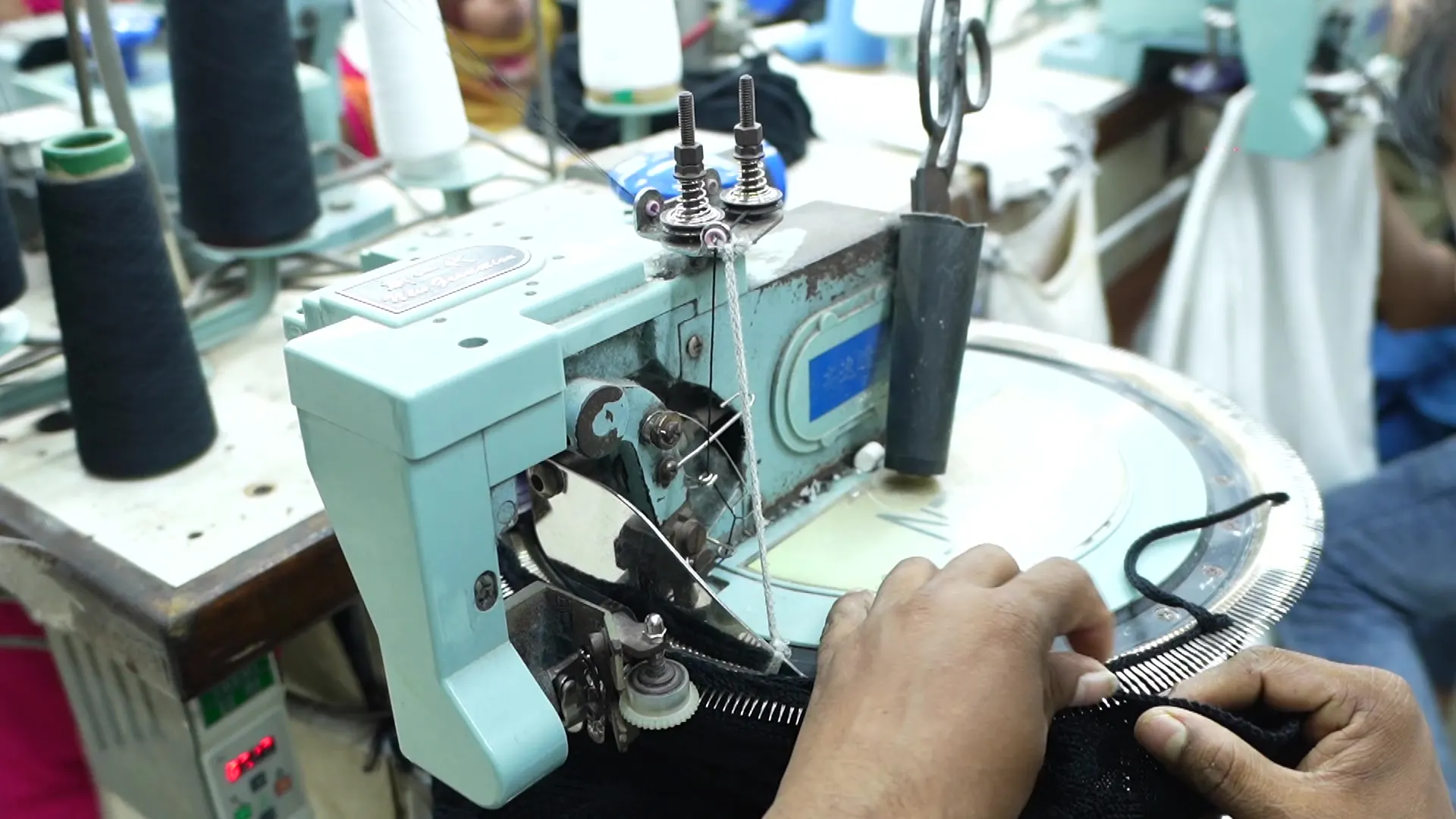
- Brief the factory in Bangla on what the sample must match: fabric weight, size, colour, print or embroidery, labels.
- Check each sample against your brief before it is couriered to you.
- Pass your comments back, and keep a written record of every revision.
- Arrange the courier to you.
- When you approve, record the approval in writing, signed and dated, with a matching sample sealed as the standard for the bulk order.
- What you receive
-
Photos of each sample round, and a written record of what changed and what you approved.
- The limits
-
We cannot make a factory’s sample room work faster. Factories usually charge for samples, often $20–50, and often refund the fee with the bulk order (SourceReady, checked Oct 2026). A perfect sample does not prove the bulk will match, because samples are often made by the best workers in a separate sample room. That is what the inspection is for.
Steps 4 and 5: contract, payment and production. These stay between you and the factory. Our 7-step guide lists what the contract should say, including a ban on subcontracting without your written consent.
Pre-shipment inspection
Step 6 · before you pay the balance
Check the finished bulk order against the approved sample, while you still hold the final payment.
Ask about an inspectionBackground: perfect sample, bad bulk order: how AQL inspection stops it.
| Order size | 4,000 pieces |
|---|---|
| Quality level | AQL 2.5, the most common |
| Checked at random | 200 pieces |
| Passes with | 10 or fewer defects |
| Fails with | 11 or more defects |
General Inspection Level II (QIMA, ISO 2859 tables, checked Oct 2026)
- When you need it
-
- Production is finished, or nearly, and the order is being packed.
- It is your first order with this factory.
- Your contract ties the final payment to a passed inspection, or you want it to.
- What we do
-
- Agree the standard with you first: the approved sample, your list of defects, and the AQL level that counts as a pass. AQL (Acceptable Quality Limit) sets how many faulty pieces a random sample may contain.
- Pick pieces at random from the packed order, using the standard AQL sampling tables (ISO 2859).
- Check each piece against the approved sample: size, fabric, colour, stitching, print, labels and packing.
- Count the defects against the limit you chose, and record a pass or a fail.
- What you receive
-
A written report with photos, the defects found, and a pass or fail result against the level you chose.
- The limits
-
AQL checks a sample, not every piece, so a passed order can still contain some faulty pieces. An inspection gives you facts, not bargaining power: your contract must make the balance depend on a pass. And it costs money on a small order. One inspection firm, V-Trust, publishes $268–298 per inspector-day in Bangladesh (V-Trust, Oct 2026).
Step 7: shipping and customs. Your freight forwarder and customs broker handle this. Our duty guide explains what each market charges.
How we charge, in full
You should know how a sourcing service earns its money before you send it anything. This is all of ours, and no factory pays us for your order.
-
A fixed fee for each job. Factory checks, sourcing projects, sample coordination and inspections are each charged as a fixed fee. We quote it for your project, in writing, before any work starts. You decide after you have seen it.
Many sourcing agents charge a share of the order instead. 5–10% of the order value is a common benchmark. (Epic Sourcing, checked Oct 2026)
-
Commission only on production, and only if agreed. On larger production orders, a commission may apply. It applies only if we both agree it in writing before the order is placed, and it is never hidden inside the unit price.
An agent’s fee can sit inside the unit price as a margin, so it does not appear on the quote. (OGR Legal, checked Oct 2026)
-
No “points”. We take no money from factories for sending them your order.
“Points” are secret payments from a factory to the agent who brought the order. A July 2026 trade guide still warns about them. (Tianwen, Jul 2026)
-
Sponsored is labelled. If a factory ever pays to appear in our videos or guides, we label it as sponsored where it appears.
-
No price list yet. We do not publish prices yet, because jobs differ in size, place and time. Tell us the product, quantity and market, and we will quote a fixed fee for your project.
For comparison, one inspection firm publishes $268–298 per inspector-day in Bangladesh. That is their price, not ours. (V-Trust, Oct 2026)
What we do not do
Knowing the edges of a service is as useful as knowing the middle.
-
Import goods in our own name.
You are the importer, so the import paperwork and any duty in your country are in your name.
-
Hold stock.
Everything is made to your order. We have no warehouse of ready goods.
-
Import food into Canada ourselves.
For licensed importers, we check suppliers on the Bangladesh side. The licence and the import are the importer’s. See importing Bangladeshi food into Canada.
-
Promise duty-free access after 2029.
The EU (European Commission, correct as of 14 October 2026) and the UK (British High Commission, via The Daily Star, correct as of 14 October 2026) keep duty-free access for Bangladesh to at least the end of 2029. What follows is not settled, and we will not guess. See the duty guide.
-
Give legal, tax or customs advice.
We point you to the official source. Confirm duty and paperwork with a customs broker in your country.
Who it suits, and who it may not
It suits
- Small clothing brands in the UK, EU, Canada and Australia ordering cotton knit basics (heavy T-shirts, hoodies, sweatshirts, polos), usually 300 to 1,500 pieces per style.
- Shops, cafés, event organisers and companies that want custom jute or eco bags. See the jute guide.
- Licensed food importers who need supplier checks on the Bangladesh side.
It may not suit
- US brands, unless the numbers still work. A cotton T-shirt from Bangladesh pays about 26.5% US duty: 16.5% normal duty plus 10% under Section 301 since 24 July 2026 (TariffsTool, correct as of 14 October 2026). Weigh it first: 0% in the UK, about 26.5% in the US.
- Very small runs. One factory owner says most Bangladeshi firms want at least 500 pieces from a start-up brand (The Business Standard, 2021). Below that, choices are few.
- Launches only weeks away. A first order takes about 4.5 to 7 months from shortlist to delivery (our 7-step guide, estimate, Oct 2026).
Questions before you enquire
How much do your services cost?
We do not publish prices yet. We quote each job as a fixed fee, in writing, before any work starts. Send us the product, quantity and market, and we will quote for your project.
Do factories pay you anything?
Not for orders. We take no money from factories for sending them your order. If a factory ever pays to appear in our videos or guides, we label it as sponsored where it appears.
When would you charge a commission?
Only on larger production orders, and only if we both agree it in writing before the order is placed. Factory checks, sourcing projects, sample coordination and inspections are fixed fees.
Can you check a factory I have already found?
Yes. That is what a factory check is for. Send us the supplier’s name and what they have told you, ideally before you pay a deposit.
Do I have to use all four services?
No. Each service stands on its own, so you can ask for only the one you need.
Will you import the goods for me?
No. You are the importer, so the import paperwork and any duty in your country are in your name. We do not hold stock either.
Do you work with brands that sell in the US?
We can check factories and inspect orders whatever your market, but weigh the duty first. A cotton T-shirt from Bangladesh pays about 26.5% US duty. We point you to published US rates; we do not advise on US customs. (TariffsTool, correct as of 14 October 2026)
Why inspect before paying the balance, not after the goods arrive?
Because problems are much harder to fix once the goods have shipped. Under Bangladesh Bank’s export rules, a discount claimed after shipment on garments needs approval from a central bank committee. (Bangladesh Bank circular, 30 Jul 2026)
Do you speak to factories in Bangla?
Yes. We are in Bangladesh and speak Bangla with factory owners and managers.
Tell us what you want to make
Three answers and we can tell you, honestly, whether Bangladesh suits the order. If it does not, we will say so.